

Wind, Rain & Heat: How Event Tents Are Engineered for Safety
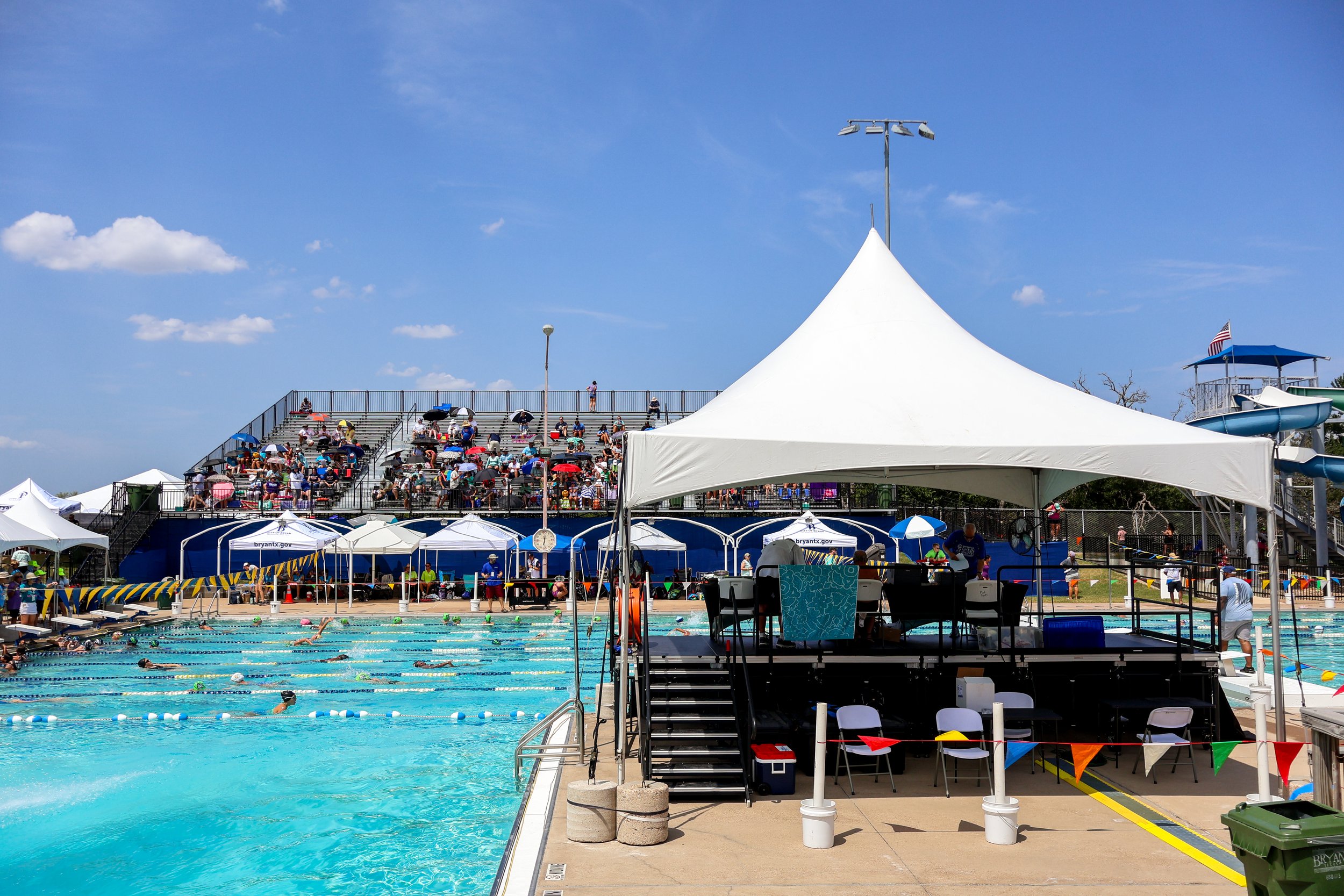
When planning an outdoor event, weather is often the biggest concern. Wind, rain, and extreme temperatures can quickly impact guest comfort and event logistics. The good news? Modern event tents are engineered with safety and durability in mind—designed specifically to handle changing conditions while keeping your event protected.
Let’s break down how tents are built for safety and how you can enhance comfort with heating and cooling solutions.
Built to Withstand Wind
Professional-grade event tents are designed to handle wind loads when properly installed. This starts with a strong frame system—whether it’s a high peak frame tent or a larger structure tent—constructed from commercial-grade aluminum or steel components.
Equally important is proper anchoring. Depending on the surface, tents are secured using:
Stakes driven deep into the ground
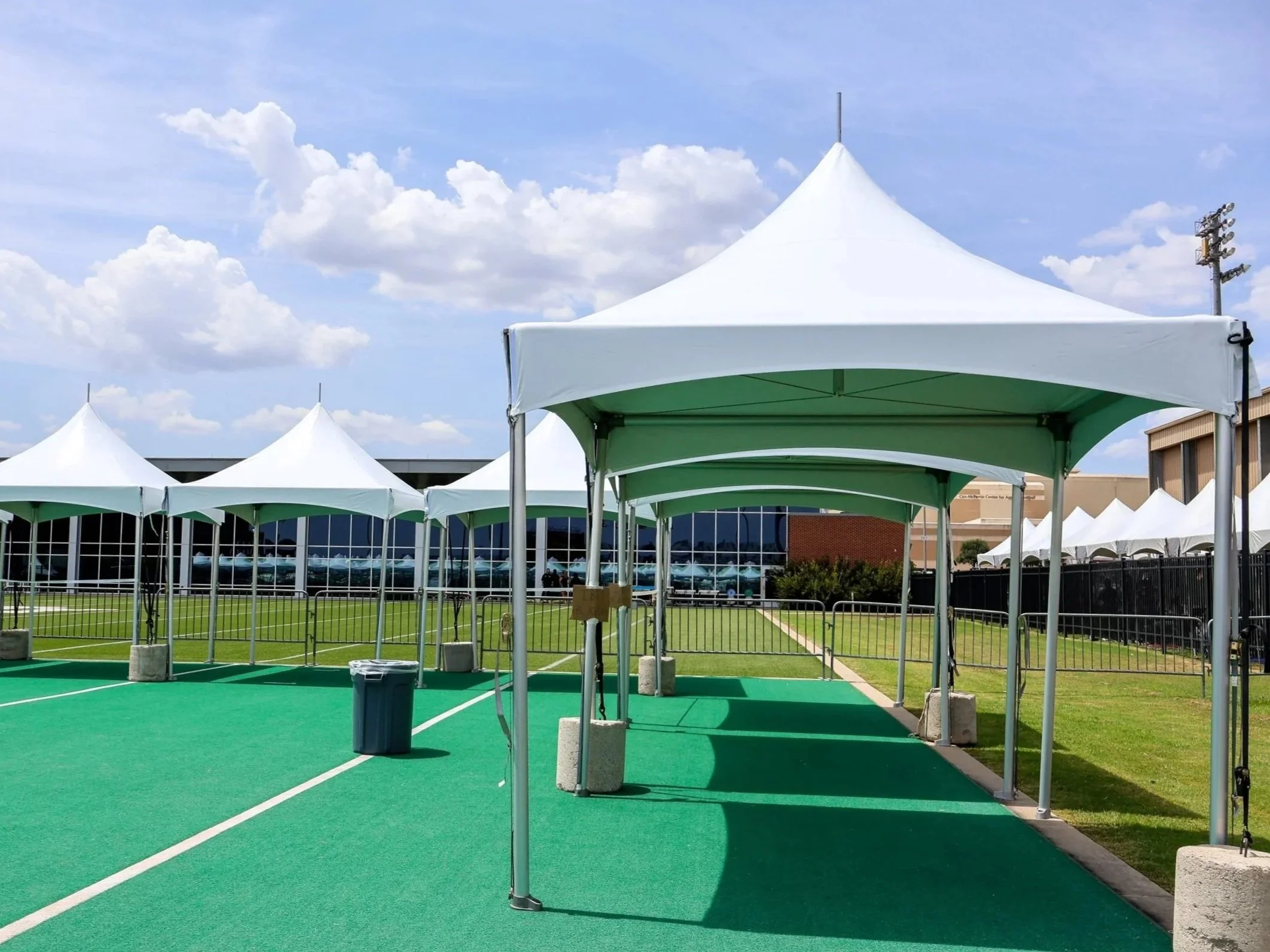
Concrete ballasts or water barrels
• Weighted anchoring systems for paved areas
At KS Events, we carefully assess the surface and layout of each site to ensure the tent is anchored correctly and meets safety standards. Proper installation is what makes the difference between a tent that simply stands up and one that performs safely in windy conditions.
Designed for Rain Protection
Event tents are made with durable, waterproof vinyl tops that are engineered to repel rain. The material is stretched tightly across the frame to prevent sagging and water pooling.
Additional features that improve rain performance include:
High peak designs that encourage water runoff
Seam sealing to prevent leaks
Sidewalls to block wind-driven rain
Gutter systems for connecting multiple tents
With the right setup, your event can continue smoothly—even if the forecast changes.
Managing Heat & Cold for Guest Comfort
Safety is critical, but comfort is just as important. Temperature control can completely transform the guest experience.
For colder weather events, we offer professional-grade tent heaters that safely warm the space without overwhelming guests. These systems are designed to distribute heat evenly throughout the tent, making fall and winter events far more comfortable.
For warmer months, cooling options include:
High-powered fans to increase airflow
Tent sidewalls that can be adjusted for ventilation
Evaporative coolers for larger enclosed tents
Strategic layout planning to maximize shade and airflow
Temperature control isn’t just about comfort—it helps guests stay longer, enjoy themselves, and fully engage with your event.
Planning for the Unexpected
Outdoor events always come with variables. That’s why working with an experienced rental team matters. From monitoring weather forecasts to recommending sidewalls, weights, heaters, or fans, proactive planning ensures your event is prepared for whatever the day brings.
At KS Events, we don’t just drop off a tent—we help engineer a setup that is safe, secure, and comfortable. Whether you’re planning a tailgate, corporate event, wedding, or citywide festival, we’ll make sure your tent is built to handle wind, rain, and temperature changes with confidence.
Click here to explore our tent options and weather add-ons. If you have questions about safety, heating, cooling, or layout planning, our team is always happy to help you create a setup that looks great and performs flawlessly—rain or shine.
At Your Service,
College Station Tent & Event
